Data window: 2025.01 – 2026.09
The eye-care market is waging
a share war
Eye cream remains the undisputed core of the category, butgrowth has moved out of eye cream. The global eye-area care market reached US$20.66 bn in 2025 and is forecast at US$21.99 bn for 2026; over the same period, online eye cream in China grew just +1.3%, while eye masks grew +21.4%, eye serums +15.1% and single-dose eye ampoules +63.1%. This is a category breakdown written for product and brand decision-makers: structure, geography, pricing, ingredients, and the eight new product tracks worth backing in 2026–2027.
PW Consulting, broad scope
+6.46% YoY
US$31.68 bn by 2032
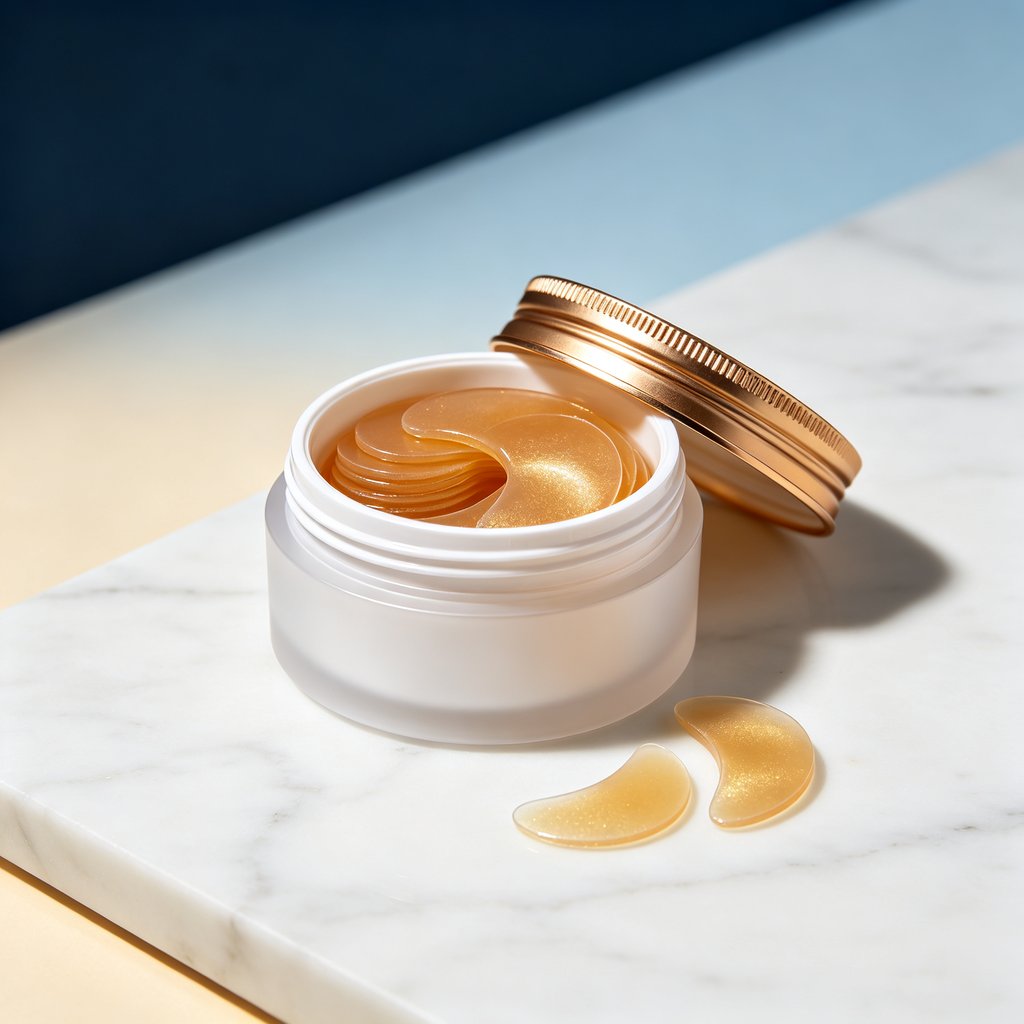
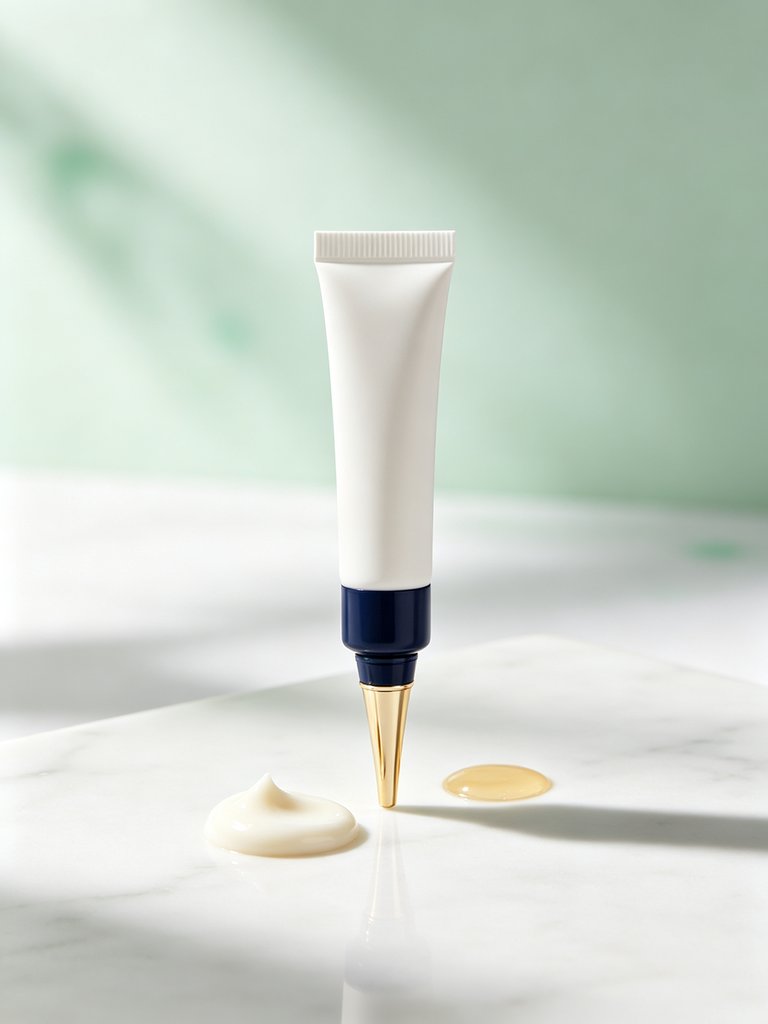
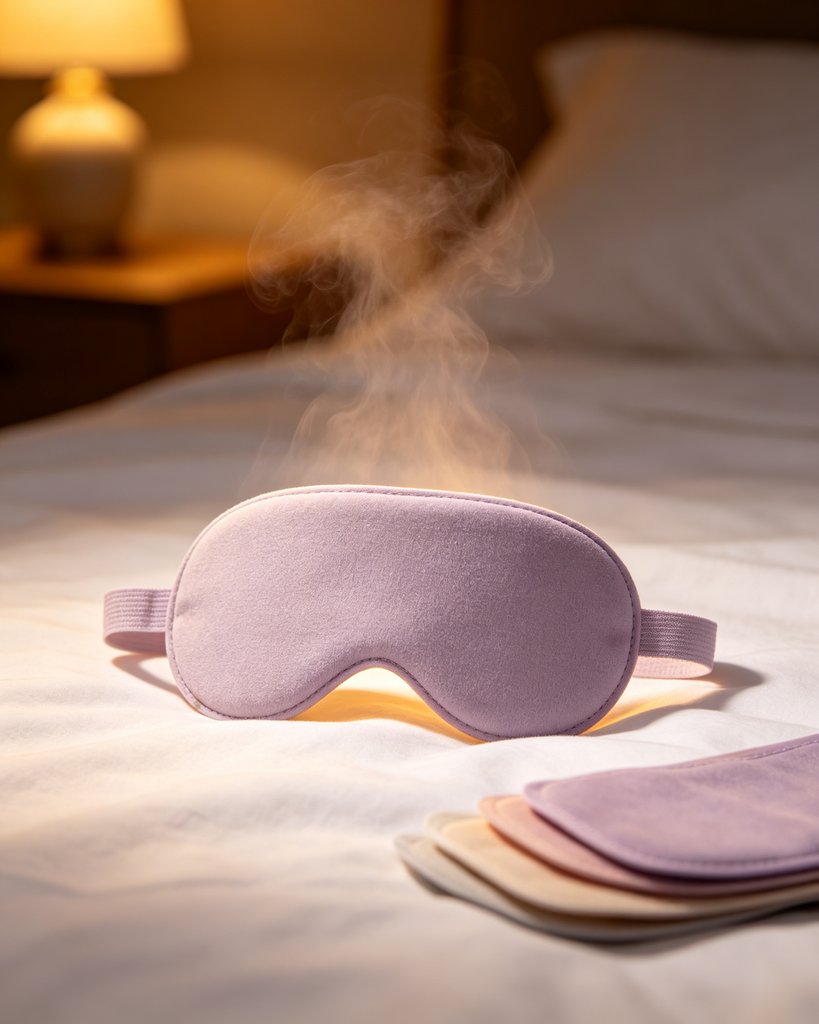
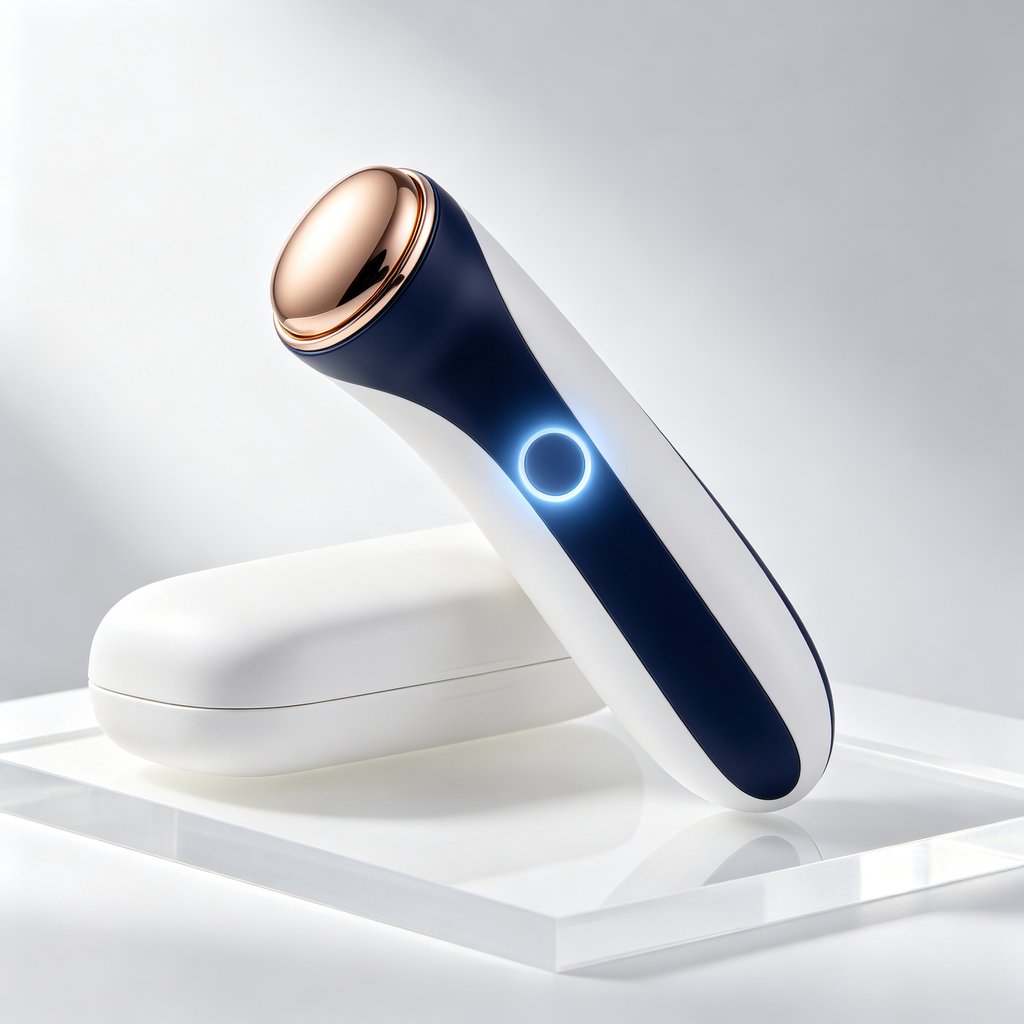
First, definitions: why do published "eye cream market" figures range from US$5.4 bn to US$13.27 bn?
Research firms draw very different statistical boundaries around "eye care," so quoting their numbers side by side will always produce contradictions. This report adoptsthe broad "all eye-area care categories" scope (eye cream + eye serum + eye mask/under-eye patch + eye oil + eye gel + sets + men's) as its baseline; other scopes are flagged individually in the comparison table below. Unless otherwise stated, all China e-commerce data are reported on aChina online retail basis。
| Scope | Coverage | 2025 | 2026 | Long-term forecast | CAGR | How this report uses it |
|---|---|---|---|---|---|---|
| Broad scope Primary basis | All eye-area care categories (cream / serum / mask / oil / gel / sets) | US$20.66 bn | US$21.99 bn | US$31.68 bn (2032) | 6.29% | Used for the size curve and regional mix |
| Mid-range scope | Eye cream + eye serum (Eye Cream & Serum) | Different institutions define "eye care" very differently — cite a figure without its scope and the numbers will contradict each other. | US$19.91 bn | US$29.08 bn (2032) | 6.20% | Cross-checking regional share |
| Narrow scope | Eye cream only (jar and tube creams and lotions) | US$5.40 bn | US$5.60 bn | US$10.50 bn (2035) | 7.30% | Used for brand share and competitive benchmarking |
| Brand retail scope | Estimated end-consumer retail value, including channel mark-ups | US$13.27 bn | US$14.42 bn | US$19.75 bn (2030) | 7.90% | Upper-bound reference only |
Global Eye-Area Care Market: The 13-Year Curve and the 2026 Inflection Point
2020–2025 are base years; from 2026 onward the figures are model forecasts. 2026 is the second year after the global eye-area care market first passed US$20 bn, and the inflection point at which growth switches from post-pandemic recovery to structural penetration — volume growth now comes from category segmentation and usage frequency, not from promotion.
Rising awareness of targeted skin care is the primary driver: a short-term impact horizon (≤2 years) with global geographic reach.
Size of the US under-eye care category
Sub-category structure: eye cream holds the line, growth sits in masks, serums and single-dose ampoules
China is the most competitive and most finely segmented eye-area care market in the world, and the source of its format innovation. In 2025, China's online eye care GMV reached RMB 17.469 bn (+6.2%), of which eye cream accounted for RMB 11.316 bn but grew just +1.3% — the core is still there, but the growth has moved elsewhere.
| Dimension | Segment | Share / Size | Note |
|---|---|---|---|
| Format (broad definition) | Cream / Lotion | 55.3% | Approx. US$11.4 bn; standardized production lines deliver the lowest cost |
| Format (broad definition) | Serum / Others | 44.7% | Growing faster than creams and lotions; the primary vehicle for innovation |
| Format (narrow definition) | Cream / Lotion | 56.4% | US$10.76 bn; hyaluronic acid raw material prices rose 15% in 2025 |
| Benefit (global) | Anti-aging | 61.2% | Line reduction plus firming and lifting are the largest demand drivers |
| Benefit (global) | Hydration + dark circle reduction | 28.4% | Steady growth; the foundational base of demand |
| Benefit (global) | Late-night / blue light repair | +15% | Reflects younger consumers' preference for fast, visible results |
| Channel (global) | Online | 57.1% | Of which social commerce / livestream accounts for 16.8% |
| Channel (global) | Specialty beauty retail | 35.3% | Sephora / Ulta / pharmacy channels remain the strongest endorsement |
Key consuming regions: Asia-Pacific takes over 40%, Latin America grows fastest
Asia-Pacific ranks first with US$8.47 bn and a 41.0% share, and is the only region that combines the largest scale with the highest growth rate. North America and Europe are mature, high-value markets that sustain premium pricing through clinical substantiation and clean formulations. Latin America's 7.1% CAGR is the second highest globally, making it a region worth positioning in early ahead of 2027.
| Region | Core demand | Ingredient preferences | Price band anchor | Channel & compliance |
|---|---|---|---|---|
| Asia-Pacific | Early anti-aging prevention, late-night rescue, brightening | Peptides, Pro-Xylane, PDRN, caffeine | ¥100–400 is the main battlefield; the ¥300+ premium segment accounts for 71.8% | Tmall / Douyin / JD.com; China requires efficacy claim evaluation |
| North America | Clinically verifiable line reduction and firming | Retinal (retinaldehyde), retinol, GHK-Cu copper peptides, ceramides | $20–130; Amazon average price $22.74 | Amazon / Ulta / TikTok Shop; multi-state PFAS bans take effect in phases between 2025 and 2028 |
| Europe | Clean label, low-sensitivity, sustainability | Botanical extracts, ectoine, fragrance-free formulations | €25–90; organic certification carries a higher premium | Pharmacy / drugstore and department stores; CPNP notification plus a safety assessment report are mandatory |
| Latin America / Middle East & Africa | Brightening, spot fading, oil control with a non-occlusive feel | Niacinamide, vitamin C derivatives, lightweight textures | Entry-level $8–25 dominates | Social commerce plus local distributors; tropical climates require stability testing to be redone |
Best-selling brands and prices: a per-gram price ladder from ¥7.3 to ¥149.3
Eye cream is one of the few beauty categories where "the smaller the pack, the higher the unit price". Convert leading SKUs into a price per ml or per gram and the price structure becomes very clear: ¥7–12 mass market, ¥20–25 the core domestic mid-tier battleground, ¥35–55 international premium, ¥70+ luxury. On the global brand side, concentration is high — Estée Lauder alone holds over 12% share, and the top five groups together account for 48%.
| Brand / SKU | Size | Actual purchase price | Core ingredient / selling point |
|---|---|---|---|
| La Mer The Eye Concentrate (Intensive Repair) | 15ml | ¥2120–2240 | Lime tea extract, marine eye-brightening complex; antioxidant repair |
| Estée Lauder Re-Nutriv Ultimate Lift Regenerating Eye Cream | 15ml | ¥1095 | Floral essence complex; claim of visible line reduction and firming in 14 days |
| Helena Rubinstein Powercell Eye Cream | 15ml | ¥700–850 | Sea fennel (Crithmum maritimum) extract; luxury anti-aging care for ages 35+ |
| Lancôme Absolue Revitalizing Brightening Eye Cream | 20ml | ¥1020–1080 | Pro-Xylane plus collagen-boosting plant peptides; share of the Taobao/Tmall eye cream category 14.19% |
| Clarins Double Serum Eye | 15ml | ¥600–680 | Ginger flavonoid antioxidant plus leaf-of-life (Kalanchoe) extract for hydration |
| Shiseido Benefiance Intelligent Wrinkle Smoothing Eye Cream | 15ml | ¥530 | Upgraded diamond peptide complex; deep wrinkles on mature skin |
| Estée Lauder Advanced Night Repair Eye Cream (5th Generation) | 15ml | ¥508–530 | Bifida ferment lysate + overnight repair peptides; Tmall/Taobao share 9.66% |
| Marubi Collagen Little Gold Needle Eye Cream | 18g | ¥433 | the celebrity-endorsed style |
| Ushiyouth 4th Generation Smile Eye Cream | 18g | ¥320–380 | PDRN + peptides + botanical extracts, gentle anti-wrinkle |
| Proya Ruby 2.0 Eye Cream | 15g | ¥280–320 | Supramolecular retinol + six-fold peptide complex; hexapeptide-1 PRO |
| Marubi S-Peptide Little Red Pen Eye Cream | 15g | ¥298–308 | 25% peptide PRO + microcurrent crystal massage applicator |
| Kiehl's Men's Line-Reducing Firming Eye Cream | 14ml | ¥310 | Rye fruit + flaxseed + caffeine |
| L'Oreal Revitalift Filler Eye Cream (Purple Iron) | 30ml | ¥300–355 | Pro-Xylane + Fibroxyl + snake-venom-like peptide; exceptional value at ¥11.8/ml |
| OLAY Multi-Benefit Repair Eye Cream | 15g | ¥109 | Vitamin B3 serum; entry-level price anchor |
| KAZOO Freeze-Dried Eye Mask | boxed | average price ¥378 | quadruple patented solid-state preservation; Tmall/Taobao eye mask share 10.28% (No. 1) |
| Clarins Double Serum Eye (US) | — | $86 | Turmeric + marjoram botanical extracts |
| Sulwhasoo Concentrated Ginseng Renewing Eye Serum (US) | — | $90 | Peptides + PDRN + ginseng, ceramic cooling applicator |
| iS Clinical Genexc Firming Eye Gel (US) | — | $130 | Dual vitamin C + hyaluronic acid + peptides |
| GoPure Instant Lift Eye Gel (US) | — | $30 | Microalgae + chestnut extract, de-puffing in 5 minutes |
| Medicube PDRN Collagen Plumping Eye Cream (US/KR) | — | $20 | PDRN + volufiline for plumping volume |
| Dr.Melaxin Calcium Spot-Fading Eye Cream (KR) | — | $22 | TikTok Shop units sold immediately upon launch: 270,000+ units |
Ingredients and claims: registrations are contracting, but soothing + gentle is surging against the trend
As of 2025.06 MAT, total eye care product registrations in China stood at 7216, −29.0% year on year; eye cream registrations −36%, eye masks −11%, and only eye massage oil up +46%. Total volume is being squeezed of excess, but the structure is changing: soothing +28.6%, gentle and non-irritating +19.5%, suitable for sensitive skin +12.3%, spot-fading and brightening +90.0% — brands are shifting new product development from stacking SKUs to building focused hero products.
New product development recommendations: 8 tracks worth betting on for 2026–2027
Each track is laid out along five elements: why now / formulation backbone / dosage form / price band / validation action. Priority P0 must be kicked off this quarter, P1 is a next-quarter pipeline reserve, and P2 is a watch list. Every judgment is derived from the structural data presented above, not from trending buzzwords.
Freeze-Dried & Microneedle Eye Mask 2.0: Solid-State Preservation + Format Innovation
Eye masks are the only category that simultaneously delivers high growth (+21.4%) and continued premiumization (premium-tier share +11 pct). Using freeze-drying technology, KAZOO climbed from No. 38 to No. 1 at an average price of ¥378, proving that a technology narrative converts directly into a price premium. BIOLAB Tingyan's microneedle eye mask takes a concentrated line-reduction approach.
- Backbone
- Recombinant collagen / soluble collagen (+74.9%) + acetyl hexapeptide-8 + ectoine; trehalose + mannitol as freeze-drying excipients
- Dosage Form
- Freeze-dried flake/film + separate activating solution; or microneedle patch (dissolvable microneedle array)
- Price
- Boxed ¥268–398 (10–14 pairs), ¥19–28 per piece
- Validation
- 8-week in-vivo efficacy study (fine-line area/depth, elasticity R2), supported by third-party SGS/Intertek reports
Single-Dose Eye Ampoule: Turning Freshness into a Packaging Moat
In 2025Q4, online sales value of single-dose eye ampoules rose +63.1% and volume +84.8%, at an average price of ¥234.09 — the fastest-growing sub-segment of all. It addresses two genuine pain points at once: portability (24.41% share of attention dimensions) and active preservation (for photo-labile ingredients such as 10% antioxidant tetrapeptide). Elizabeth Arden capsules and Ushiyouth BFS single-dose formats have already validated the route.
- Backbone
- 10% antioxidant tetrapeptide + ergothioneine + multi-molecular hyaluronic acid; or liposomal retinal + ceramide
- Dosage Form
- BFS one-piece single-dose ampoule (1.2 ml/pc) or plant-based biodegradable capsule; vacuum-filled and light-protected
- Price
- 30-piece pack ¥199–299; ¥6.6–10 per piece
- Validation
- 3-month accelerated stability testing plus ≥95% active retention after opening (used as the core selling-point data)
Encapsulated Retinal (Retinaldehyde) Eye Cream: The Next-Generation Default After Retinol
Retinal requires one fewer conversion step than retinol, working faster and more gently, and by 2026 Korean brands have made it the default anti-aging active (Seoul 1988 formulated it at 4% in an eye cream; Beauty of Joseon pairs ginseng with retinal). In China, although anti-wrinkle efficacy registrations fell −14.1%, sales value rose +81% — demand is intact and only the supply side is being reshuffled, which is precisely the window for a technology generation shift.
- Backbone
- 0.05–0.1% encapsulated retinal + ceramide NP + panthenol + ectoine; pH 5.0–5.8
- Dosage Form
- Opaque airless pump / single-dose ampoule; wide-mouth jars are prohibited (oxygen-sensitive)
- Price
- 15 ml ¥299–429 (¥20–29 per ml)
- Validation
- Tolerance patch test plus 4-week/8-week line-reduction data; a step-up regimen for building tolerance must be stated on the label
PDRN / Recombinant Collagen Eye-Area Repair: Gentle Anti-Aging with Aesthetic-Medicine Origins
PDRN was the single hottest topic at the 2026 CiE exhibition. Its DNA fragments share 98% similarity with human DNA, and its positioning centers on tissue repair and anti-inflammation, sitting squarely on the fastest-growing efficacy curve — soothing (+90%). Medicube has already turned it into a $20 mass-market hit, while Sulwhasoo offers a $90 ceramic-applicator serum — both ends of the market work.
- Backbone
- PDRN (salmon / ginseng / plant-derived, blended high- and low-molecular-weight fractions) + recombinant type III collagen + beta-glucan
- Dosage Form
- Single-dose ampoule / hydrogel patch / freeze-dried; transdermal delivery is the key challenge for high-molecular-weight PDRN, so select a manufacturer with penetration-enhancement technology
- Price
- ¥259–459; or hydrogel patch ¥129–199 per 8 pairs
- Validation
- Medical-style claims are strictly prohibited. Position it as cosmetic-grade repair and run 28-day barrier and elasticity tests.
Instant De-Puffing: A Caffeine + Tetrapeptide-5 Line with Visible Results in 5 Minutes
Rescue-efficacy claims show pulsed spikes on social media, and GoPure's 5-minute de-puffing eye gel, priced at $30, targets this demand directly. Caffeine climbed 6 places in the registration ranking within a year, making it one of the fastest-rising actives. The value of this line does not lie in repeat purchase but incustomer acquisition and content distribution— before-and-after videos are inherently suited to short-form video.
- Backbone
- 5% caffeine + acetyl tetrapeptide-5 + horse chestnut saponin (escin) + menthol derivative (cooling effect)
- Dosage Form
- Rollerball / metal cooling applicator / gel; or a freeze-dried morning eye mask
- Price
- 15 ml ¥129–199; $18–30 for export SKUs
- Validation
- Measured eye-area volume/hydration change within 30 minutes (via 3D imaging or caliper method), produced as visual comparison assets
Antioxidant + Anti-Glycation + Anti-Blue-Light: A Line Dedicated to Late-Night and Screen Scenarios
Global sales volume of late-night / blue-light repair eye creams grew +15% year on year; in China, 67.3% of the 18–35 age group stay up late, and more than 90% of them report dullness and dark circles around the eyes. At the same time, ectoine (tetrahydromethylpyrimidine carboxylic acid) registrations rose +61.3%, and ergothioneine and anti-glycation (A.G.E.) concepts are gaining momentum quickly in 2026.
- Backbone
- Ergothioneine + ectoine + carnosine (anti-glycation) + niacinamide + multi-molecular hyaluronic acid
- Dosage Form
- Lightweight gel / jelly texture (eye gel +48.19% YoY, the fastest-growing sub-category)
- Price
- 15–20ml ¥189–289
- Validation
- In-vitro anti-glycation test (AGEs inhibition rate) plus improvement in skin brightness L* value over 8 weeks, supported by late-night scenario content assets
Oil-Based Eye Care: A Lightweight, Fast-Absorbing Eye Oil Serum
The only eye category with positive registration growth — eye massage oil registrations +46%, with 4.43% share of volume (+2.21 pct) and 4.70% share of value (+2.72 pct). Oil-based eye care has become a platform-level topic. The biggest pain point today is greasiness: whoever solves fast absorption first will capture this incremental segment.
- Backbone
- Squalane + jojoba oil + lightweight esters (low viscosity) + 0.3% retinyl propionate or bakuchiol
- Dosage Form
- Dropper / rollerball / dual-chamber oil-and-water (shake to activate); paired with a gua sha tool for ritual appeal
- Price
- 10–15ml ¥169–259
- Validation
- Blind test of absorption speed (vs. control group), with non-sticky in 30 seconds as the core quantifiable selling point
Dark-Circle Subtyping + Cosmetic-Medical Peri-Procedure Care (Watch List)
Dark circles remain the No. 1 consumer need at 57.53%, but pigmented, vascular, structural and laxity types have entirely different causes, and one-product-solves-all claims are losing credibility (more than 60% of users report results below expectations). At the same time, the spread of light aesthetic procedures is driving full-cycle pre-, intra- and post-procedure care, with isotonic formulation (280–310 mOsm/L), preservative-free and single-dose formats as the key technical terms.
- Backbone
- Pigmented type: niacinamide + glabridin; vascular type: vitamin K + caffeine; structural type: peptides + Pro-Xylane
- Dosage Form
- Three-piece set with color coding by dark-circle type; medical device SKUs follow the Class II device pathway (separate qualification required)
- Price
- Subtyped set ¥459–699; medical device dressing ¥99–199
- Validation
- Build in-house or source a dark-circle self-assessment tool for front-end lead generation; medical device SKUs must be filed separately under medical device regulations
Three Hard Constraints: Review Them Before Approving Any Project
1. Shrinking registration volumes are not bad news — they are a filter.Eye cream registrations −36%, eye mask −11%, total registrations −29% — the multi-SKU distribution playbook no longer works. From 2026 onward, a brand may have only 2–3 hit-product slots per year, so resources must be concentrated on single products that combine technological barriers with clinical data.
2. Compliance of efficacy claims has become a purchase decision factor.86% of consumers treat efficacy claim compliance as a core decision factor, yet 72.4% read only the efficacy copy and overlook concentration and delivery technology. This means that placing concentration, delivery technology and clinical reports in the most prominent position on the product detail page is itself a differentiator.
3. The compliance window for export markets is narrowing.EU 1223/2009 requires a safety assessment plus CPNP notification; PFAS bans in multiple US states take effect in phases between 2025 and 2028; and China's Cosmetic Efficacy Claim Evaluation Specifications require in-vivo efficacy data. Clear compliance before finalizing the formulation to avoid rework.
Lock in 1–2 P0 tracks (recommended: 01 freeze-dried eye mask + 02 single-dose ampoule); complete competitor teardown and price-band positioning; initiate contact with efficacy testing institutes and pre-schedule the in-vivo trial
Select freeze-drying / microneedle or BFS production line; three rounds of sensory sampling; stability and compatibility testing; kick off packaging development in parallel (light-protective, vacuum and single-dose molds have long lead times)
Wrap up the in-vivo efficacy trial (8 weeks, run in parallel with sampling); complete the registration dossier and compliance review of claim copy; CPNP and US state-law self-checks for export markets
Use Douyin as the primary channel for content ignition (eye masks and serums are the core engines of Douyin's category expansion), with Tmall capturing search demand and higher basket values; in the first month, offer a trial-size plus full-size bundle to lower the trial threshold
Data Sources and Methodology Notes
All figures in this issue are drawn from publicly available research reports and e-commerce platform monitoring data. Differences in scope between institutions are explained in Table 0; please do not add figures across sources directly.
Turn this report into your 2026 product plan
We are the factory behind under-eye patches, eye masks, eye creams and single-dose ampoules. Tell us what you need — within 24 hours you get formula directions, MOQ, a cost range and a sampling schedule.
- The 2026 eye-care shortlist: 8 tracks with cost and MOQ ranges
- A reply within 24h: formula direction, quotation and sampling schedule
- Free sampling — hold it in your hand before you commit
Get the full report and a tailored sourcing brief
Two required fields; the rest can wait. No marketing blasts, ever.
The 8 questions buyers ask most
What is the MOQ for under-eye patches and eye masks?
Spot wholesale starts at 500 pcs (patches, masks, steam masks). Custom development — new formula plus new packaging — usually starts at 5,000 pcs, depending on dosage form and materials. Single-dose ampoules are quoted separately because of filling-line differences.
How long does sampling take, and is it free?
Stock samples ship within 3 days and are free (freight collect). Custom sampling takes 7–15 days including formula adjustment and packaging proofs; the sampling fee is credited against your bulk order once confirmed.
Can you work with retinal, PDRN or recombinant collagen?
Yes. Retinal needs encapsulation to control irritation; PDRN and recombinant collagen require source and purity documentation. We provide stability and irritation test data during the formulation stage.
Can you make single-dose eye ampoules? What packaging options exist?
Yes. Single-dose was the fastest-growing segment in 2025 (+63.1% YoY). Common formats include plastic ampoules, aluminium blister packs and reclosable mini tubes, selected to match your channel pricing.
Which certifications do you hold, and which markets can you export to?
GMPC and ISO 22716 systems; products can be registered with the FDA and notified via the EU CPNP, with SGS testing available. Regular export markets include the US, EU, UK, Japan, South Korea, Southeast Asia, the Middle East and Australia.
How long from brief to shipment?
Custom projects typically take 35–50 days: 7–15 days for formula and packaging approval, 15–25 days for production, and 5–10 days for testing and release. Stock orders ship in 3–7 days.
Who owns the formula — you or me?
For ODM projects each brand gets its own formula, and exclusivity can be contractually agreed. We start from a library of 20,000+ proven formulas and differentiate from there.
I know I want eye care but have not picked a category — can you advise?
Yes — that is exactly what this report is for. Share your target market and budget range, and we will combine 2026 category growth rates with your channel profile to propose two or three directions, each with cost and MOQ.